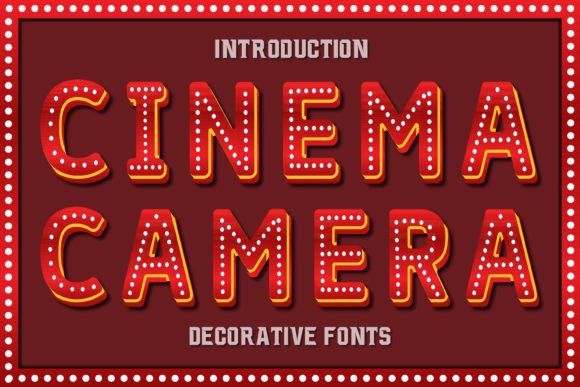
Cinema Camera: A Typeface That Brings Bold Personality to Every Project
There's a moment in every creative project when you realize the typography isn't just supporting the design—it is the design. You've nailed the color palette, the imagery feels right, but something's missing. The text sits there, flat and forgettable, doing nothing to capture attention or communicate the energy you're after. That's where a font like Cinema Camera steps in and completely shifts the mood.
Cinema Camera isn't the kind of typeface that fades into the background. It arrives with presence, with a confident visual rhythm that immediately draws the eye. Think of it as the difference between a quiet conversation and a standing ovation. For designers, entrepreneurs, and creatives who need their typography to work as hard as every other element in their layout, this font delivers something genuinely refreshing.
What Makes This Font Stand Out in a Crowded Market
Every designer has scrolled through hundreds of font libraries, searching for that one typeface that feels right. Cinema Camera earns its place in your toolkit because of its distinctive character. It carries a vibrant, almost playful energy without sacrificing structure or clarity. The letterforms have personality—they're bold enough to command a headline yet refined enough to avoid looking chaotic.
What's particularly appealing is the balance between whimsy and professionalism. Some display fonts lean so far into creativity that they become impractical for commercial use. Others are so safe they could be mistaken for default system fonts. Cinema Camera sits in that sweet spot where visual interest meets real-world functionality. It feels modern without being trendy, expressive without being distracting.
The color font aspect adds another dimension entirely. Rather than relying on flat, single-tone lettering, this typeface embraces vibrant fills that inject life into every character. For anyone working on branding initiatives, packaging designs, or logotypes, that built-in color energy means fewer design steps between concept and completion.
Where Cinema Camera Truly Shines
Let's talk about the projects where this typeface genuinely earns its keep. Understanding where a font performs best helps you make smarter decisions about your design assets and saves you from the frustration of forcing a typeface into a role it wasn't built for.
Branding and Logo Design
A brand identity lives or dies on recognition. When someone sees your logo across a website header, a business card, a social media post, and a product label, that typography needs to be instantly identifiable. Cinema Camera's distinctive letterforms create exactly that kind of sticky visual memory. It works particularly well for brands that want to project confidence, creativity, and approachability simultaneously—think boutique food brands, lifestyle startups, creative agencies, or artisan product lines.
Packaging and Product Design
Walk down any retail aisle and you'll notice how packaging typography influences perception within milliseconds. A playful, colorful font signals a very different product personality than a minimal sans serif. Cinema Camera brings that eye-catching quality that makes someone reach for a product off the shelf. Its vibrant character translates beautifully onto labels, boxes, and wrapping—especially for brands targeting consumers who respond to joyful, energetic design.
Social Media and Digital Content
Instagram carousels, YouTube thumbnails, Pinterest pins, TikTok overlays—every platform demands typography that stops the scroll. Cinema Camera's bold presence and color-forward design make it a natural fit for social media graphics that need to pop against busy feeds. Content creators and marketers can use it for quote graphics, promotional announcements, sale banners, and story highlights without worrying about the text getting lost in the noise.
Invitations and Event Materials
Wedding invitations, party announcements, gala programs, festival posters—these are projects where personality matters enormously. You're not just conveying information; you're setting an emotional tone before anyone reads a single word. Cinema Camera adds that sprinkle of charm and celebration that makes an invitation feel special, not generic. It pairs especially well with elegant script fonts for a layered, sophisticated look.
Editorial and Print Layouts
Magazine covers, book chapter headings, event programs, and poster designs all benefit from a display typeface that carries visual weight. Cinema Camera works as a headline font that gives editorial layouts an immediate focal point, letting body text in a complementary serif or sans serif handle the longer reading passages.
Getting the Most from Your Typography Choices
Choosing the right font is only half the equation. How you deploy it matters just as much. Here are some practical observations from working with display fonts in real projects:
Pair intentionally. Cinema Camera is a showstopper, so let it own the spotlight. Pair it with a clean, understated body font—a simple sans serif or a classic serif—rather than competing display faces. The contrast creates visual hierarchy and keeps your layout from feeling cluttered. Think of it like styling an outfit: one statement piece works best when everything else supports it.
Test at multiple sizes. A font that looks stunning at 72 pixels on your monitor might lose definition at smaller sizes. Always preview your typography at the actual size it will appear in your final output, whether that's a business card, a website hero section, or a printed poster. Cinema Camera's bold design holds up well at larger scales, but always verify readability for your specific use case.
Consider your audience first. The most beautiful typeface in the world fails if your audience can't read it or doesn't connect with its personality. A playful, colorful font works brilliantly for a children's brand or a lifestyle blog but might feel out of place on a corporate law firm's website. Match the font's energy to the emotional response you want to create.
Review all available styles. Many premium fonts come with multiple weights, alternates, or stylistic variations. Before starting a project, explore everything included in the font package. You might discover ligatures, swashes, or alternate characters that solve a specific design challenge you hadn't anticipated.
Don't overlook licensing. If you're using Cinema Camera for commercial projects—client work, products for sale, marketing materials—make sure your license covers that usage. Understanding font licensing protects you legally and ensures your clients receive properly licensed design assets. It's a small detail that separates professional practice from costly oversights.
Building a Brand Identity That Feels Cohesive
One of the most underrated benefits of committing to a specific typeface across your brand is visual consistency. When your website, packaging, social media, email headers, and printed materials all use the same typography language, your audience starts recognizing you before they even read your name. That's the foundation of strong brand recognition.
Cinema Camera works particularly well as part of a broader typographic system. Use it for headlines and key messaging while a complementary typeface handles body copy and supporting text. This layered approach gives your brand flexibility—different materials can feel fresh and varied while maintaining a consistent visual thread.
For small business owners and entrepreneurs building their first brand identity, investing in a quality typeface early on pays dividends over time. Rather than cycling through free fonts that dozens of other businesses are already using, a distinctive premium font like Cinema Camera gives you a visual asset that feels uniquely yours.
The real power of thoughtful typography isn't just aesthetic—it's strategic. Every font choice communicates something about who you are, what you value, and who you're speaking to. When those choices align with your brand's personality and your audience's expectations, typography stops being decoration and becomes one of your most effective communication tools. That's the kind of design thinking that turns casual viewers into loyal customers, and one-time visitors into brand advocates.