Coffee Cafe: A Font Brewed with Personality
There's something magical about walking into your favorite coffee shop—the aroma, the warmth, the carefully curated aesthetic that makes you want to linger. Now imagine bottling that feeling and pouring it directly into your design projects. That's essentially what the Coffee Cafe font offers: a typeface steeped in the visual language of coffee culture, complete with charming bean details woven into every letterform. It's the kind of font that makes people pause mid-scroll and lean in closer.
More Than Just a Pretty Typeface
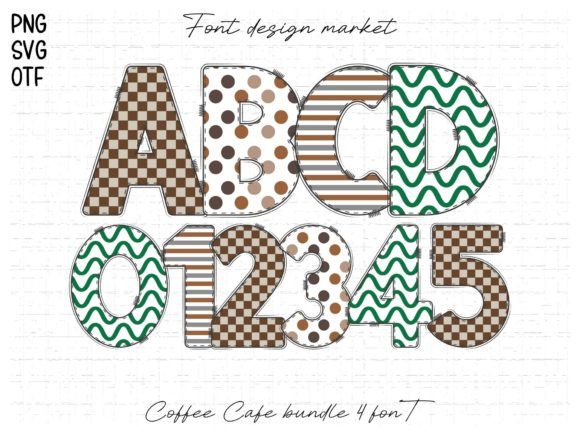
Coffee Cafe isn't your standard display font with a coffee-themed name slapped on it. The designer actually embedded coffee bean motifs into the letter details, creating a texture that feels organic and intentional rather than gimmicky. This level of craftsmanship matters when you're building a brand around a specific lifestyle or aesthetic. The font carries personality without sacrificing legibility—a balance that many themed fonts fail to achieve.
What sets this apart from generic decorative typefaces is its dual nature. The standard black version works seamlessly with Cricut Design Space and other cutting machines, making it accessible for crafters and small business owners who create physical products. Meanwhile, the color version opens up entirely different possibilities for digital design work in programs like Photoshop, Illustrator, Silhouette Studio, and Innscape. That flexibility alone makes it worth serious consideration for anyone working across both physical and digital mediums.
Where This Font Truly Shines
Let's talk real-world applications because that's what actually matters when you're investing in design assets. Coffee Cafe thrives in environments where warmth, approachability, and artisanal quality need to come through visually. Think about a local roastery developing its brand identity from scratch. The logo needs to communicate craft and care without looking like every other third-wave coffee shop on the block. This typeface delivers that handcrafted sensibility while remaining clean enough to scale across different formats.
Packaging design is another sweet spot. Whether you're designing labels for specialty coffee bags, creating hang tags for branded merchandise, or developing box graphics for subscription services, a font with built-in character reduces the amount of additional illustration work needed. The coffee bean details do some of the visual heavy lifting, letting you keep supporting design elements minimal and focused.
Social media managers and content creators working in the food and beverage space will find this particularly useful for Instagram graphics, Pinterest pins, and promotional banners. Coffee-themed quotes, menu announcements, and seasonal promotions all benefit from typography that immediately signals the subject matter. When someone sees those letterforms, they instantly understand the context without needing additional explanation.
Practical Considerations for Professional Use
Before committing any font to a professional project, a few practical questions deserve attention. First, consider your primary output. If most of your work lives in digital spaces—websites, social media, email headers—the color version through compatible design software gives you the most creative freedom. However, if you frequently produce physical goods like signs, decals, or printed materials through cutting machines, the black OTF/TTF version becomes essential. Understanding this distinction upfront prevents frustrating compatibility issues later.
Font pairing deserves thoughtful experimentation here. Coffee Cafe works beautifully alongside clean sans serif fonts for body text. Think of it as the headline star supported by a reliable ensemble cast. A typeface like Montserrat, Lato, or Open Sans provides the readability needed for longer passages while letting Coffee Cafe command attention in headers, logos, and callout text. Avoid pairing it with other highly decorative or script fonts, which can create visual chaos rather than hierarchy.
Readability testing remains non-negotiable regardless of how stunning a font looks in isolation. Print samples at the actual sizes you plan to use. View them at arm's length. Ask someone unfamiliar with the project to read a sentence quickly. If hesitation occurs, the typeface might work better as an accent rather than a primary communication tool. Coffee Cafe holds up well at medium to large sizes, but like most display fonts, it loses some clarity when reduced significantly.
Building Brand Recognition Through Typography
Consistency in typography builds recognition faster than almost any other visual element. When customers encounter the same typeface across your website, packaging, social presence, and printed materials, their brains form associations that compound over time. Choosing a distinctive font like Coffee Cafe and committing to it across touchpoints creates a cohesive brand experience that feels deliberate and professional.
This matters especially for small businesses competing against larger brands with bigger budgets. Typography is one of the most cost-effective ways to establish visual authority. A coffee shop, bakery, café, or specialty food brand using a thoughtfully selected typeface signals attention to detail. It tells customers that quality extends beyond the product itself into every aspect of how the business presents itself to the world.
For entrepreneurs developing digital products—think recipe ebooks, printable planners with coffee themes, or online course materials about starting a café business—this font adds thematic cohesion without requiring custom illustration. Editorial layouts benefit from that same quality. A coffee-themed blog or online magazine using Coffee Cafe for section headers and pull quotes creates visual rhythm that keeps readers engaged longer.
Extras, Licensing, and Getting Started
The included extras add genuine value beyond the base character set. These additional design elements can support your layouts, fill negative space, or add decorative touches to invitations, posters, and marketing materials without sourcing separate graphics. Review everything included in the package before starting a project so you can take full advantage of what's available.
Commercial licensing deserves a careful read before using any font in client work or products for sale. The details matter here, and understanding what's permitted protects both you and your clients. Most premium fonts designed for commercial use include clear licensing terms, but verifying those terms against your specific use case eliminates guesswork.
Starting is simple. Install the font files through your operating system's standard font installation process, restart your design software, and begin experimenting. Create a few test compositions before applying it to client work or production files. Play with sizing, spacing, and color to understand how the typeface behaves under different conditions. That hands-on exploration reveals possibilities that specifications alone cannot convey.
The best typography choices feel inevitable in hindsight. When a font genuinely belongs in a project, everything clicks into place—messaging feels clearer, layouts feel balanced, and the overall design communicates exactly what it should. For anyone building within the coffee space or adjacent lifestyle categories, Coffee Cafe offers that rare combination of personality and practicality that makes the design process more intuitive and the final result more compelling.