Globe: The Playful Color Font That Sparks Creativity
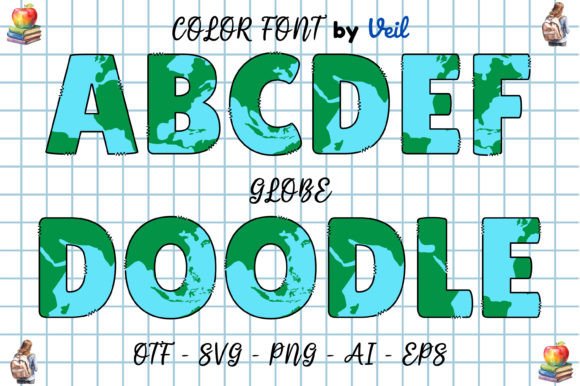
There's something magical about a typeface that doesn't just sit on a page—it dances. Globe is exactly that kind of font. Designed to bring a sense of fun, artistry, and vibrant energy to any project, this color font breaks away from the monotony of standard typography. Whether you're designing a logo for a children's brand, crafting social media posts that pop, or creating packaging that demands a second look, Globe delivers personality in every letter.
Color fonts like Globe represent a shift in how we think about typography. Instead of relying solely on shape and weight, they incorporate color, texture, and visual flair directly into the character set. The result? Text that feels more like illustration than traditional typesetting. For designers, marketers, and creative entrepreneurs, this opens up a world of possibilities—without requiring advanced illustration skills.
What Makes Globe Stand Out in a Crowded Font Market
Let's be honest: the internet is flooded with fonts. Thousands of options compete for attention, and most of them blend into the background after a while. Globe doesn't. Its playful curves, bold color palettes, and artistic character shapes make it immediately recognizable. This isn't a font you forget after scrolling past it.
What sets Globe apart visually is its balance between whimsy and usability. Some decorative fonts sacrifice readability for style, leaving designers frustrated when they try to use them in real-world applications. Globe manages to be expressive without becoming illegible. The letterforms are clear enough for short headlines, product names, and display text, while still carrying that unmistakable sense of creative energy.
The color element adds another layer of distinction. Each letter incorporates multiple hues, gradients, or patterns that give the text a hand-crafted, almost illustrated quality. This makes Globe particularly effective for projects where you want typography to function as a visual focal point rather than just a vehicle for information.
Practical Applications: Where Globe Truly Shines
Understanding where a font works best is just as important as understanding what it looks like. Globe's playful, artistic personality makes it a natural fit for a wide range of creative and commercial projects. Here's where it tends to make the biggest impact:
Branding and Logo Design — If your brand targets a younger audience, emphasizes creativity, or operates in industries like children's products, entertainment, food and beverage, or lifestyle, Globe can serve as the foundation of a memorable visual identity. A logo set in Globe immediately communicates approachability and fun. Pair it with a clean sans serif font for body text, and you've got a brand system that feels cohesive yet dynamic.
Packaging Design — Shelf presence matters. Products competing for attention in retail environments—whether physical or digital—benefit enormously from typography that stands out. Globe works beautifully on packaging for snacks, toys, craft supplies, cosmetics aimed at teens and young adults, or any product where a playful aesthetic aligns with the brand promise.
Social Media Graphics — Platforms like Instagram, TikTok, and Pinterest are inherently visual. Posts that incorporate bold, colorful typography tend to stop the scroll more effectively than text-heavy designs. Use Globe for quote graphics, sale announcements, story highlights, or promotional banners where you need instant visual impact.
Website Headers and Blogs — While Globe isn't designed for long-form body copy, it excels in hero sections, blog post titles, and call-to-action buttons. A splash of Globe in the right place can transform a flat webpage into something that feels alive and inviting. Just be mindful of loading times with color fonts and test across browsers.
Print Materials and Posters — Event flyers, children's book covers, workshop posters, and promotional postcards all benefit from Globe's energy. The font translates well to print, especially when you want to evoke a sense of joy, creativity, or celebration.
Invitations and Digital Products — Birthday invitations, wedding save-the-dates with a modern twist, downloadable planners, or educational worksheets for kids—Globe adds a decorative touch that feels intentional and polished. It's also a strong choice for digital product covers, like e-book thumbnails or course landing pages.
Merchandise and Editorial Layouts — Tote bags, stickers, mugs, and t-shirts featuring Globe typography tap into the current trend of expressive, illustrative design. In editorial contexts, it works well for pull quotes, section headers, or magazine covers targeting creative audiences.
Pairing Globe with Other Fonts for a Balanced Design
One of the most common questions designers ask about decorative fonts is: "What do I pair it with?" This is a smart question, because even the most beautiful display font can fall flat if it's surrounded by competing or mismatched typography.
Globe's playful nature means it pairs best with simpler, more restrained typefaces. A classic sans serif font like Helvetica, Futura, or Montserrat provides a clean counterbalance. If you prefer a serif font for a slightly more sophisticated feel, something like Playfair Display or Lora can work well alongside Globe for headings, with the serif handling longer text blocks.
The general rule of thumb is to let Globe be the star. Use it for headlines, titles, or short display text where its personality can breathe. Then, let a neutral companion font handle the heavy lifting for paragraphs, product descriptions, and detailed information. This contrast creates visual hierarchy and keeps your design from feeling overwhelming.
When testing font pairings, mock up a few different combinations before committing. Create a simple layout with your headline in Globe, a subheading in your secondary font, and a paragraph of body text. Look at the overall composition on screen and in print. Does the Globe font dominate too much? Does the secondary font feel too bland? Adjust sizing, spacing, and weight until the relationship feels natural.
Readability and Licensing: The Practical Details
No matter how visually appealing a font is, it needs to work within the constraints of your project. With Globe, readability is generally strong for display purposes, but there are a few things worth keeping in mind.
Size matters. Color fonts often contain more visual detail than standard typefaces, which means they can lose clarity at very small sizes. Use Globe at larger point sizes—think headlines, banners, and titles—rather than in fine print or dense paragraphs. If you're designing for screens, test how the font renders at different resolutions, especially on mobile devices where smaller text is common.
Background contrast is another consideration. Because Globe incorporates color into its letterforms, the background you place it against will affect how well it reads. High-contrast backgrounds (light text on dark, or vice versa) tend to work best. Avoid placing Globe over busy photographs or heavily textured backgrounds without adding a subtle overlay or shadow to maintain legibility.
On the licensing front, always verify that the font's commercial license covers your intended use. Most premium fonts, including color fonts like Globe, come with clear licensing terms that specify whether you can use them in commercial projects, client work, merchandise, or digital products. If you're a freelancer or agency, confirm that the license allows for use across multiple projects or clients. Skipping this step can lead to legal headaches down the road, so it's worth the extra minute of due diligence.
Making the Most of Globe in Your Creative Toolkit
Adding a creative font like Globe to your design assets is more than just acquiring another typeface—it's expanding what your visual communication can do. The best designers and creative professionals treat their font library like a toolkit, reaching for the right option based on the project's goals, audience, and tone.
Globe fills a specific niche: it's the font you reach for when a project calls for energy, playfulness, and visual warmth. It's not the right choice for a corporate law firm's annual report, but it's perfect for a bakery's Instagram presence, a children's activity brand, or a music festival poster. Understanding this context is what separates thoughtful design from random font selection.
Take the time to explore the font's full character set. Many color fonts include alternate glyphs, ligatures, or stylistic variations that can add even more variety to your designs. Experiment with these options in your projects. You might discover combinations that feel uniquely suited to your brand or client's needs.
Ultimately, the fonts you choose shape how people perceive your work before they read a single word. Globe gives you a tool to communicate joy, creativity, and approachability at a glance. Whether you're building a brand from scratch, refreshing a visual identity, or simply looking for a font that makes your next project feel more alive, it's worth exploring what this playful typeface can bring to the table.