Groovy Bloom: A Playful Retro Typeface for Creative Projects
There's something undeniably joyful about a design that doesn't take itself too seriously. In a world saturated with minimalist sans serifs and stark corporate typography, sometimes you need a font that walks into the room with a smile and a pocketful of daisies. That's exactly the energy Groovy Bloom brings to the table. This isn't just another display font; it's a full-on aesthetic experience, channeling the free-spirited, colorful vibe of the 1970s with a modern, handcrafted sensibility.
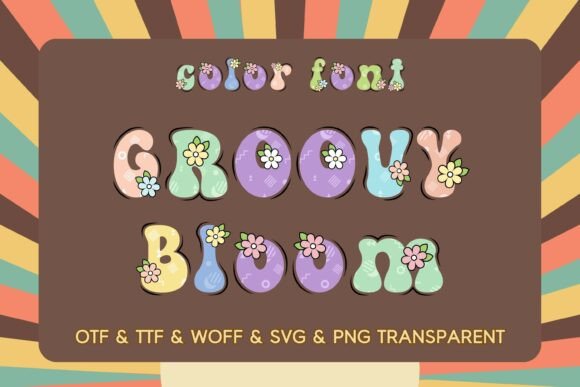
At its core, Groovy Bloom is a color font—meaning each character arrives fully styled with soft pastel hues, intricate floral accents, and playful geometric details. The chunky bubble letterforms feel familiar and approachable, while the hand-drawn shadow effect adds depth and a tangible, almost tactile quality. It's the kind of typeface that immediately evokes warmth, nostalgia, and creativity. But beyond its charming appearance lies a surprisingly versatile design asset for anyone looking to inject personality and visual interest into their work.
More Than Just a Pretty Face: Where This Typeface Truly Shines
Let's talk practical applications. While you might initially reach for Groovy Bloom for a project that screams "retro party," its utility extends far beyond themed events. Think about a small-batch skincare brand wanting to convey approachable, natural ingredients. Or a children's book author looking for a title font that feels whimsical yet readable. This typeface excels in scenarios where you need to build an immediate emotional connection and stand out in a crowded visual landscape.
Consider its use in logo design. A carefully crafted wordmark using Groovy Bloom can become the cornerstone of a brand identity for a bakery, a boutique florist, a creative workshop, or an indie music label. The built-in color and detail mean your logo is already 90% designed the moment you type it out. For packaging design, it's a game-changer. Imagine the name of a craft soda, a specialty tea, or a gourmet popcorn flavor rendered in this font—it instantly communicates fun, quality, and a story worth discovering on the shelf.
On the digital front, social media graphics are where Groovy Bloom can truly amplify engagement. A bold, colorful headline for an Instagram post or a Pinterest pin will stop the scroll far more effectively than standard text. It's perfect for promotional announcements, sale banners, or quote graphics that need to radiate positivity. Similarly, for web design, using it for key headings or hero section text can establish a site's personality in seconds, though pairing it wisely with a clean, neutral font for body copy is essential for maintaining readability.
Building Recognition and Connection Through Typography
Consistency is the bedrock of strong branding, and your typography choices are a huge part of that. When you select a distinctive premium font like Groovy Bloom and use it repeatedly across your touchpoints—from your website headers to your email newsletters to your physical print materials—you create a recognizable visual thread. Customers begin to associate that specific style with your business, which is a powerful driver of brand recognition.
This typeface also solves a common challenge: making professional presentation feel human and relatable. Corporate reports or serious editorial layouts might not be its home, but for a blog header, a podcast cover, or the title page of a digital product, it can make content feel more inviting and accessible. It’s about matching the font's personality to your project's goal. A yoga studio's workshop poster will have a different feel than a vintage record fair's poster, even if both use Groovy Bloom, because the surrounding design elements and copy will set the tone.
Practical Tips for Working with a Character-Rich Font
Integrating a font with this much personality requires a thoughtful approach. First, consider the context. While it's a versatile creative font, it's primarily a display font. Its detailed nature means it's best suited for headlines, titles, logos, and short bursts of impactful text. Using it for long paragraphs would likely hinder readability. For body text, pair it with a simple, highly legible serif font or sans serif font to create a balanced and functional font pairing.
Second, test it thoroughly. Before committing, see how it looks at the sizes you'll actually use. Check how the colors and shadows render on different screens and in print. Many color fonts come with alternative styles or glyphs—explore the full character set to see if there are plain versions, shadow variations, or additional floral elements you can leverage for even more customization.
Third, mind your licensing. If you're using Groovy Bloom for commercial projects—which includes client work, merchandise for sale, or monetized content—ensure you have the appropriate commercial font license. Reputable font designers are clear about these terms, and respecting them is crucial for ethical and legal practice. It's a small step that protects both you and the creator.
Ultimately, choosing a typeface is a design decision that communicates volumes before a single word is read. Groovy Bloom offers a specific, potent message: creativity, joy, and a touch of nostalgic charm. It's a tool for designers, entrepreneurs, and creators who aren't afraid to let their brand's personality bloom. When used with intention, it doesn't just display words—it crafts an experience. So, the next time your project needs a burst of authentic, retro-inspired energy, consider letting this floral typeface do the talking. You might be surprised at how much a little grooviness can elevate your visual story.