Ignite Your Brand: Using the Chili Pepper Font for Vibrant Design
Every designer knows the struggle of finding a typeface that does more than just sit on the page. Sometimes, you need a font that practically jumps out at the viewer, carrying its own personality and energy without requiring a single drop of additional embellishment. If you are working on a project that requires a punch of heat, zest, or playful nostalgia, standard corporate typefaces like Helvetica or Times New Roman simply won't cut it. You need something that evokes a sensory experience. This is where the Chili Pepper display font steps in, offering a spicy and vibrant color font solution that transforms standard typography into a visual feast. With its cute chili pepper characters and fiery red hues, this typeface is designed to inject a flavorful touch into your creative endeavors, making it an invaluable asset for anyone looking to break away from the mundane.
The Visual Appeal of a Spicy Typeface
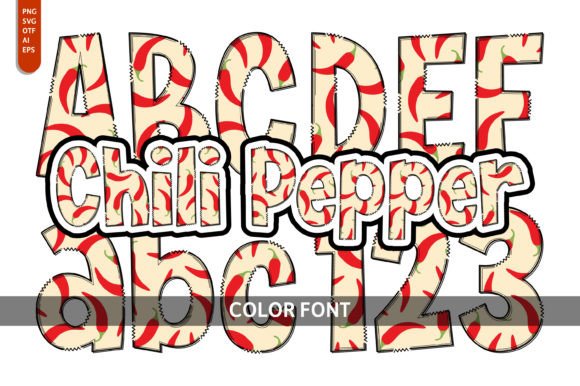
At its core, the Chili Pepper font is a masterclass in thematic design. Unlike traditional black-and-white typefaces, this is a color font, meaning the glyphs themselves are designed with the fiery reds and vibrant greens of actual peppers. This visual characteristic immediately sets it apart from standard serif or sans serif options. The visual style is inherently playful and energetic, characterized by bold strokes and a whimsical aesthetic that feels hand-crafted and organic.
For brands that want to convey warmth, excitement, or a "fiery" personality, this display font offers immediate recognition. It bridges the gap between typography and illustration, allowing letters to function as tiny pieces of art. When you utilize a typeface like this, you aren't just spelling out words; you are creating an atmosphere. The visual weight of the font ensures that headlines pop, and the intricate details of the "pepper" texture add a layer of depth that flat vector fonts lack. It is a perfect example of modern typography meeting character illustration, providing a unique tool for logo design and header text that demands attention.
Strategic Applications: Where Heat Meets Design
Understanding where to deploy a bold font like Chili Pepper is just as important as selecting it. Because it carries such a strong visual personality, it excels in specific applications where high impact is the goal. It is not intended for long-form body text, but rather as a garnish that enhances the main course of your design.
Here are several practical scenarios where this creative font shines:
- Food & Beverage Branding: This is the most natural fit. If you are designing a menu for a Mexican restaurant, a label for a hot sauce brand, or packaging for spicy snacks, Chili Pepper creates an instant flavor association.
- Event Invitations: Planning a fiesta, a summer barbecue, or a Halloween party? This font sets the mood instantly on invitations, evoking a sense of fun and festivity.
- Merchandise and Apparel: For merchandise like t-shirts, tote bags, or aprons, the font acts as a standalone graphic. Its commercial font appeal lies in its ability to look good on fabric without needing additional complex graphics.
- Social Media Graphics: In the fast-scrolling world of Instagram or TikTok, you have seconds to grab attention. Using Chili Pepper for sale announcements or food photography overlays creates a "stop-scroll" effect that boosts engagement.
- Packaging Design: For artisanal products, the font adds a homemade, authentic touch that suggests care and flavor in the product itself.
Improving Brand Recognition and Engagement
Typography is a silent ambassador for your brand. While readability is paramount for body copy, brand recognition often relies on distinctive headers and logos. By incorporating a premium font like Chili Pepper into your brand identity, you create a visual shorthand for your brand’s personality.
When a customer sees the Chili Pepper typeface, they immediately associate it with a certain energy—zesty, fun, and perhaps a little spicy. This emotional connection is crucial for visual consistency. If you are a food blogger or a small business owner selling Mexican imports, using this font consistently across your website headers, email newsletters, and physical signage creates a cohesive world for your audience. It moves beyond generic web design and enters the realm of storytelling. Furthermore, a unique typeface improves professional presentation by showing that you have curated your assets specifically for your niche, rather than settling for default system fonts.
Practical Tips for Pairing and Implementation
While Chili Pepper is a showstopper, it needs the right supporting cast to be effective. One of the most common mistakes in editorial design and packaging design is using two competing display fonts. Because Chili Pepper is so stylistic, it pairs best with clean, neutral fonts that don't fight for attention.
Consider these practical tips for font pairing:
- Pair with a Clean Sans Serif: To ensure your body text remains legible, pair Chili Pepper with a clean sans serif font like Open Sans, Roboto, or Montserrat. The simplicity of the sans serif will balance the complexity of the display font.
- Use for Hierarchy: Use Chili Pepper exclusively for H1 headings, sub-headers, or pull quotes. Let it guide the reader's eye to the most important information, such as "New Menu Items" or "Summer Sale."
- Mind the Size: Display fonts like this are designed to be seen at larger sizes. If you shrink Chili Pepper too small, the "pepper" details may become muddy or unreadable. Always test your typography at the intended output size.
- Color Coordination: Since the font has built-in colors (reds and greens), ensure your background colors complement rather than clash with these hues. Neutral backgrounds like kraft paper textures, white, or dark charcoal usually work best.
Additionally, always review the specific styles included with your design assets. Some variations may include alternate characters or glyphs that offer different stylistic flourishes, allowing you to customize the look further to fit your specific marketing assets or digital products.
Final Thoughts on Creative Typography
Choosing the right creative font is about aligning your visual tools with your communication goals. The Chili Pepper font is more than just a novelty; it is a strategic design asset for anyone in the food, event, or lifestyle space. Whether you are a content creator looking to spice up your thumbnails or a small business owner establishing a unique brand voice, this typeface offers a burst of personality that standard fonts cannot match. By using it thoughtfully and pairing it with legible, complementary typefaces, you can bring a sizzling, professional, and memorable edge to your next project.