Summer Fruit5: A Playful Font for Vibrant Designs
There's a particular joy in designs that feel instantly alive—projects that burst with color, personality, and a sense of season. For anyone creating summer-themed materials, from social media graphics to product packaging, the typography choice is foundational. A font that captures the essence of ripe berries and sunny days can transform a simple layout into something memorable and engaging. That's where a display typeface like Summer Fruit5 comes into play, offering a distinct visual voice for projects that need to feel fresh, fun, and unmistakably summery.
More Than Just Letters: The Visual Appeal of a Themed Typeface
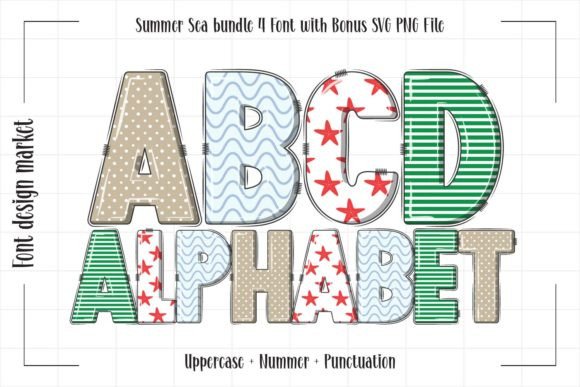
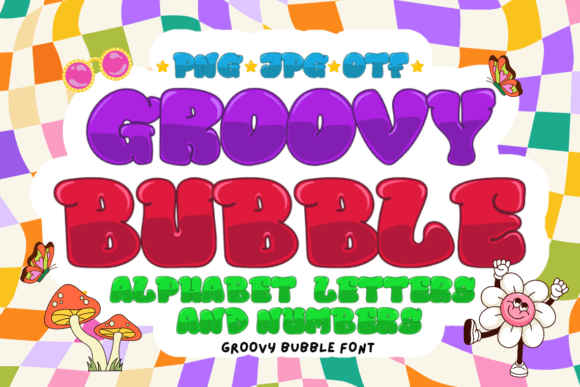
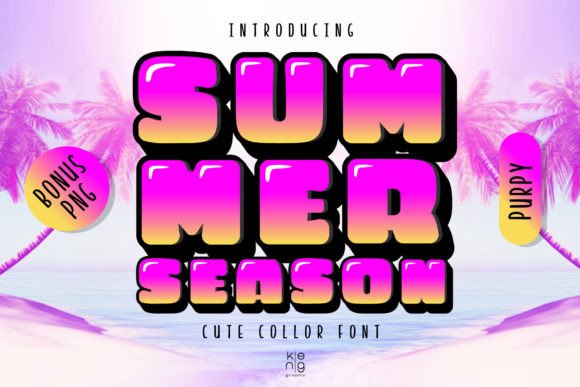
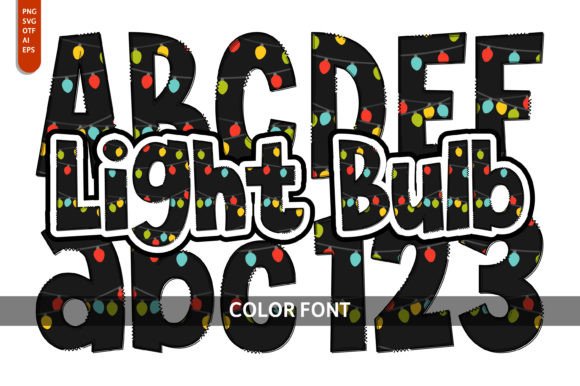
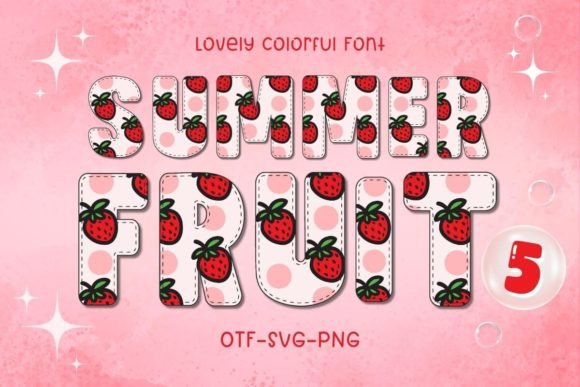
Summer Fruit5 is a decorative display font characterized by its vibrant, colorful letterforms. Each character is adorned with adorable strawberry patterns, creating a cohesive and playful aesthetic. This isn't a standard serif or sans serif font for body text; it's a creative font designed to be a standout element. The integrated patterns give it a handcrafted, illustrative quality that can save designers significant time, eliminating the need to manually add fruit motifs to individual letters. The result is a typeface that functions as both text and artwork, providing a unique texture and visual interest right out of the box.
Understanding its technical nature is key to using it effectively. The standard black version operates like a traditional font file and is compatible with cutting machines like Cricut Design Space, making it ideal for physical craft projects. However, the full-color version—which truly brings the strawberry patterns to life—requires specific design software. Programs like Adobe Photoshop, Illustrator, Silhouette Studio, and Inkscape can properly render the color and pattern data within the OTF or TTF files. This distinction is crucial for planning your workflow, especially if you're moving between digital design and physical production.
Practical Applications: Where This Font Truly Shines
The strength of a font like Summer Fruit5 lies in its application. It's a specialized tool in a designer's toolkit, perfect for projects where a standard corporate typeface would fall flat. Consider its use in branding for businesses that want to project a friendly, approachable, and seasonal image. A local ice cream shop, a summer camp, a fruit stand, or a line of artisanal jams could use this font for their logo or marketing materials to instantly communicate their niche. The visual consistency achieved by using such a distinctive typeface across assets—from the website header to the packaging labels—strengthens brand recognition and creates a cohesive customer experience.
Beyond logos, its applications are extensive in the realm of marketing and content creation. Social media graphics are a prime candidate; a bold, colorful headline using Summer Fruit5 can stop the scroll and increase engagement for a summer sale announcement or a recipe post. For bloggers and content creators, it can be used for featured images, Pinterest graphics, or chapter headings in a digital cookbook. Print materials like event posters, invitations for a garden party, or flyers for a farmers' market benefit from its cheerful vibe. Even merchandise like t-shirts, tote bags, and mugs can be designed using the black version for cutting machines, allowing crafters and small business owners to produce unique products.
Design Strategy: Using a Display Font with Purpose
Integrating a highly stylized font into a project requires thoughtful strategy. The first rule is context and restraint. Because Summer Fruit5 is so visually dense, it's best used for headlines, logos, short phrases, or accent text—not for paragraphs or lengthy content where readability is paramount. Pairing it with a clean, neutral typeface is essential. A simple sans serif or a classic serif font for body copy will provide a visual resting place, allowing the playful display font to capture attention without causing visual fatigue. This practice of font pairing is fundamental to creating professional, balanced layouts.
Always consider your audience and project goals. Is the aim to evoke nostalgia, whimsy, or a sense of organic freshness? The strawberry motif carries specific connotations—summer, sweetness, natural goodness. Ensure those associations align with your brand identity or the message of your piece. Before finalizing a design, test the font in context. View it at the actual size it will be used, whether on a mobile screen or a printed poster. Check the legibility of each letter, especially in words with complex letter combinations. Reviewing the included character map is also a good practice to see what alternates or punctuation are available to enhance your design.
Finally, for any commercial project, always verify the licensing. A premium font typically comes with a license that outlines permitted uses, whether for personal projects, commercial client work, or merchandise sales. Ensuring your use complies with the font's terms protects your business and respects the work of the font designer. By treating a typeface like Summer Fruit5 as a strategic design asset rather than just a decorative afterthought, you can harness its full potential to create projects that are not only beautiful but also effective and aligned with your creative vision.