Unleash Urban Energy: The Bold Spirit of Boom Street Graffiti
There is a distinct electricity that pulses through street art—a raw, unfiltered energy that captures attention and refuses to let go. For designers and creatives seeking to bottle that lightning, typography is often the bridge between the gritty realism of the pavement and the polished finish of a digital canvas. If you have ever struggled to find a typeface that feels alive, one that mimics the urgency and flair of a spray-painted masterpiece, you are likely looking for a display font that breaks the mold of traditional serifs and sans serifs. This is where the conversation shifts from standard typesetting to expressive visual storytelling.
The Anatomy of an Urban Typeface
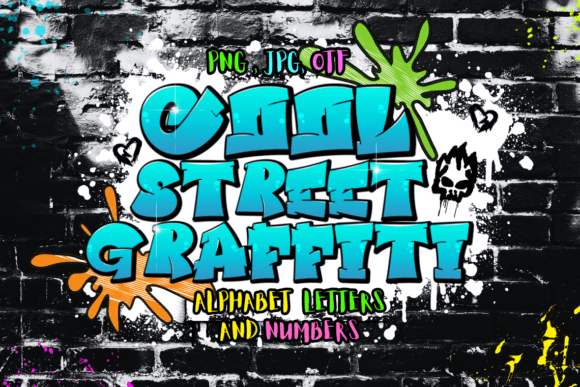
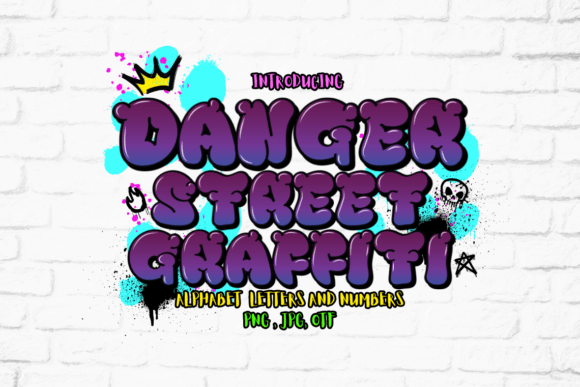
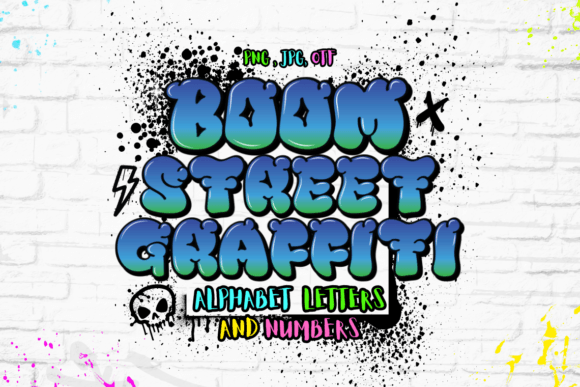
At its core, typography is about voice. A standard serif font whispers tradition, while a clean sans serif shouts corporate efficiency. However, a typeface like Boom Street Graffiti doesn't whisper or shout in the boardroom; it roars from the rooftops. What makes this specific font visually compelling is its adherence to the "wildstyle" aesthetic often seen in complex graffiti lettering. It features interlocking characters, sharp angles, and a sense of motion that makes the text appear as though it is vibrating on the page.
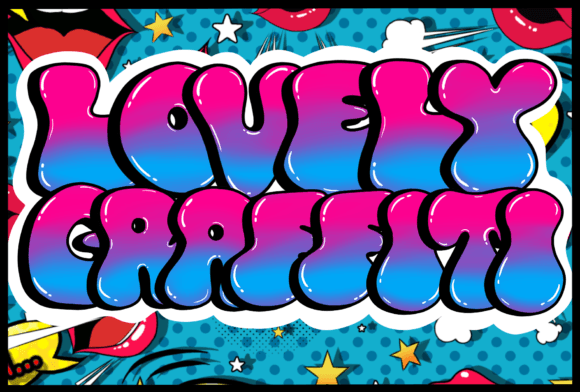
One of the most significant technical advancements in modern typography is the rise of color fonts, specifically those utilizing the OpenType-SVG format. Unlike traditional vector fonts that rely on a single flat color, Boom Street Graffiti is a premium font that embeds high-resolution raster data inside the font file. This means the letters retain the texture of real paint, the gradients of a marker, and the multi-dimensional shading of street art. When you type a word, you aren't just getting a shape; you are getting a fully rendered graphic element that looks hand-painted. This capability transforms standard text into immediate design assets, saving hours of manual shading and texturing in post-production.
Practical Applications: Where Street Art Meets Strategy
While the aesthetic is undeniably bold, the utility of a creative font like this extends far beyond simple posters. Understanding where and how to deploy such a strong visual element is key to successful branding and marketing. Because this font carries such a heavy visual weight, it is categorized as a display font. This means it is intended for headlines, logos, and short bursts of text rather than long-form body copy. Using it for a paragraph of text would compromise readability, but using it for a hero image headline will immediately set the tone.
Consider the following scenarios where this type of modern typography shines:
- Brand Identity and Logos: For brands targeting a younger demographic, such as skate shops, urban clothing lines, music festivals, or streetwear startups, this font provides an instant identity. It communicates that the brand is current, edgy, and culturally aware.
- Social Media Graphics: In the fast-scrolling environment of Instagram or TikTok, you have milliseconds to capture attention. A handwritten font with the texture of graffiti is excellent for "swipe up" prompts, sale announcements, or video thumbnails. It breaks the visual monotony of standard feed content.
- Packaging Design: If you are designing packaging for a product that wants to stand out on the shelf—like an energy drink, a craft beer, or a snack food—incorporating street art elements can disrupt the visual noise of competitors. It suggests the product inside is exciting and bold.
- Event Invitations and Posters: Whether it’s a charity gala with a "street art theme," a birthday party for a teenager, or a local community block party, this font sets the mood immediately. It replaces the need for elaborate background imagery because the text itself serves as the primary visual art.
Mastering Font Pairings and Readability
One of the most common mistakes in design is using a display font for everything. Because Boom Street Graffiti is so intricate, it needs a partner that supports it rather than competes with it. This is the art of font pairing. To maintain visual consistency and professional presentation, you should pair this graffiti font with something neutral.
A geometric sans serif font is often the best choice for accompanying text. Fonts like Montserrat, Futura, or even standard system fonts like Arial or Helvetica provide a clean, breathing space for the eye to rest after viewing the explosive energy of the graffiti headline. If you use a script font or another handwritten font alongside the graffiti style, the design can quickly become chaotic and unreadable.
Think of the hierarchy of information. The "Boom Street" style is perfect for the H1 or the main call to action. The supporting information—dates, times, descriptions, or body copy—should be typed in a legible, high-contrast font. This contrast actually makes the graffiti font pop even more, as the simplicity of the surrounding text highlights the complexity of the headline.
Navigating Technical Compatibility and File Types
As the digital landscape evolves, so do font files. It is crucial to understand the technical specifications of your design assets to ensure a smooth workflow. Boom Street Graffiti is delivered as an OpenType-SVG (Color Font). This format is a game-changer for Photoshop and Illustrator users, allowing for complex color gradients and textures directly within the text layer.
However, practical advice is necessary here regarding compatibility. Because this font relies on vector and raster data combined for the color effect, it is not compatible with certain cutting machines and older software versions. Specifically, if you are using Cricut Design Space, Silhouette Studio, or Inkscape, the standard OTF or TTF files of this color font will not render correctly, or may not load at all. These programs typically require flat, single-color vector fonts for cutting paths.
For those working in the Adobe suite (Photoshop, Illustrator) or other high-end design software that supports OpenType-SVG, the process is seamless. You simply install the font as you would any other, and the color data is automatically applied. If you are a crafter looking to use this for print-and-cut projects, you would need to rasterize the text in a program like Photoshop first, turning it into an image (PNG or JPG) before bringing it into your cutting software.
Strategic Branding: When to Choose Urban Typography
Choosing the right typography is a strategic business decision, not just an artistic one. Before integrating a font like Boom Street Graffiti into your brand identity, ask yourself: Does this align with my audience's expectations?
If you are a law firm or a medical practice, this font is likely the wrong choice; it conveys rebellion and informality, which might undermine trust in those sectors. However, if you are a content creator, a musician, a game designer, or a small business owner selling lifestyle products, this font can be a powerful tool for audience engagement. It tells your audience that you understand current trends and that your brand has personality.
Furthermore, consider the medium. For merchandise like t-shirts, hoodies, and tote bags, this font style is incredibly popular. It mimics the look of vintage streetwear graphics. For digital products, such as YouTube overlays or Twitch stream graphics, it adds a layer of production value that makes the content feel more professional and immersive.
Final Thoughts on Creative Expression
Typography is the clothing that words wear. While a sans serif font is the business suit of the design world, and a serif font is the formal evening wear, a graffiti font is the streetwear—it is expressive, bold, and cultural. By incorporating a typeface like Boom Street Graffiti into your toolkit, you are equipping yourself to handle projects that require high energy and visual impact.
Remember that the best designs are intentional. Don't use a graffiti font just because it looks cool; use it because it solves a communication problem. Use it when you need to stop a scrolling thumb, when you need to convey excitement, or when you need to bridge the gap between digital art and street culture. With the right pairing and a clear understanding of your audience, this font can transform a mundane layout into a captivating visual experience.