Young Blood: The Gritty Script Font for Bold Branding
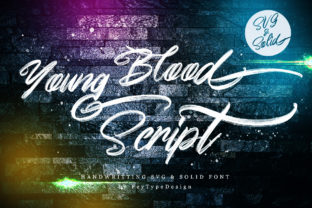
There's a raw, authentic energy in a design that refuses to look too polished. It feels handmade, personal, and charged with character. For projects that demand this kind of visceral impact—a streetwear label, a craft brewery logo, a musician's album art—the typography you choose is everything. It sets the tone before a single word is read. This is the space where a typeface like Young Blood thrives. It's not just a font; it's a statement piece, a handwritten script with a messy grunge style that injects immediate attitude and texture into any creative work.
Beyond the Basics: Unpacking the Visual Power
What sets this particular script font apart is its dual nature. On one hand, you have a solid, reliable version perfect for when you need that gritty texture without the complexity. On the other, you have the showstopper: amazing SVG versions. These Opentype-SVG files are color fonts, meaning the texture, grain, and even multi-color effects are baked directly into the font file itself. When you type with the SVG version in a compatible program like Adobe Photoshop or Illustrator, you're not just getting a shape; you're getting a fully rendered, textured graphic element in one click. This eliminates the need for separate texture overlays or complex layer styles, streamlining your workflow while delivering a professional, high-impact result. It's a premium font asset that bridges the gap between convenience and stunning visual detail.
Where Grit Meets Strategy: Practical Applications
Understanding a font's personality is one thing; knowing where to deploy it is where strategy comes in. The rugged charm of a handwritten font like this isn't a one-size-fits-all solution, but in the right context, it becomes an indispensable part of your brand identity or design system.
For Branding & Logo Design: If your brand targets an audience that values authenticity, craftsmanship, or rebellion, this typeface can become your signature. Think of a logo for a boutique coffee roaster, a custom motorcycle shop, or an indie record label. The grunge script immediately communicates a hands-on, non-corporate ethos. It pairs exceptionally well with clean, geometric sans-serif fonts for body text, creating a dynamic contrast that is both readable and visually arresting.
For Packaging & Merchandise: Physical products benefit immensely from tactile typography. Imagine this font on a craft beer label, a hot sauce bottle, or the hang tag for a limited-edition t-shirt. The SVG version, with its inherent texture, mimics the look of a distressed print or a worn screen print, adding perceived value and a story to the product. It's a direct line to creating merchandise that feels collected, not just bought.
Digital Presence & Marketing: In the scroll-stopping world of social media, a bold, textured display font can be your best ally. Use it for impactful quotes in Instagram graphics, hero text on a website landing page, or the title slide in a video presentation. For bloggers and content creators, it can style section headers or call-to-action banners, adding a burst of personality that standard web fonts often lack. It’s a creative font that turns passive viewers into engaged participants.
Making It Work: Practical Typography Advice
Deploying a strong display font requires a thoughtful approach to maintain professionalism and readability. Here’s how to integrate a bold script font effectively into your projects.
- Prioritize Readability: A messy, grunge style is best used for headlines, logos, and short, impactful phrases. Avoid setting long paragraphs of body copy in this font; the readability will plummet. Pair it with a simple serif or sans-serif font for paragraphs to create a clear visual hierarchy.
- Test Your Pairings: Before finalizing, experiment with font combinations. Try Young Blood with a classic serif like Times New Roman for a vintage editorial feel, or with a modern sans-serif like Helvetica Neue for a clean, contemporary contrast. The goal is balance—let the script font be the star while its partner plays a supporting role.
- Review All Styles: This product includes both solid and SVG versions. Don't overlook the solid OTF/TTF files. They are perfect for situations where you need the handwritten shape but want to apply your own custom colors or textures, or when working in software that doesn't support color fonts. This versatility makes it a robust design asset.
- Consider the Context: Match the font's energy to your project's goal. The raw, edgy vibe is perfect for music, fashion, extreme sports, and artisanal goods. It might feel out of place for a corporate law firm or a pediatrician's office. Understanding this alignment is key to effective brand communication.
Important Technical Notes for Your Workflow
As with any specialized design asset, a few technical considerations will ensure a smooth creative process. It's crucial to know that this is a color font (Opentype-SVG). This means full compatibility with professional design software like Adobe Photoshop, Illustrator, and Inkscape. The SVG magic works in these environments, allowing you to access the textured, multi-color versions effortlessly.
However, it's equally important to note the limitations. The OTF and TTF files are not compatible with Cricut and similar cutting machines that require single-color vector paths. For crafters using these machines, the solid version would need to be used as a standard single-color font, and the SVG texture effect would not be available. Always check the licensing for your intended use—whether for personal projects or commercial merchandise—to ensure compliance. For a deeper dive into leveraging color fonts and pairing techniques, consulting a comprehensive resource like an "Ultimate Font Guide" can be incredibly valuable, helping you unlock the full potential of your typographic toolkit.
In a landscape saturated with perfect, sterile vectors, a font with built-in grit and personality is a powerful differentiator. It allows designers, entrepreneurs, and creators to bypass the quest for authenticity and build it directly into their visual language from the start. Whether you're crafting a brand from scratch or refreshing an existing identity, the right typeface does more than display words—it conveys a feeling, tells a story, and connects with an audience on a gut level. That’s the kind of visual shorthand that makes a project memorable.