A Rainbow Stripe of Pastels: Adding Whimsy to Your Typography
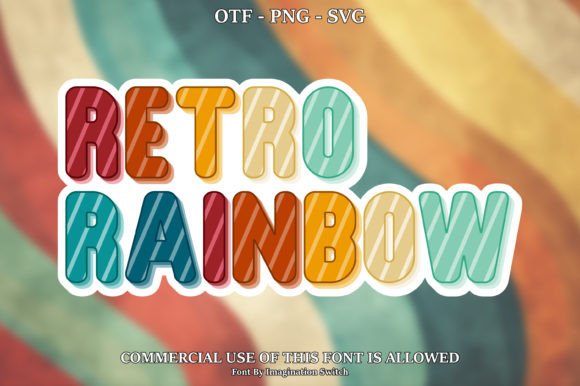
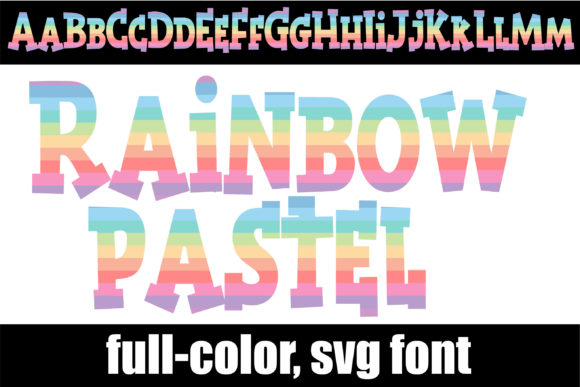
There’s a particular kind of joy that comes from designs that don’t take themselves too seriously, yet still manage to look polished and intentional. If you’ve ever scrolled through a feed and stopped because a piece of typography made you smile—perhaps a cheerful header on a bakery’s menu or a vibrant title on a children’s book cover—you know the power of a font with personality. That’s exactly the feeling this whimsical serif font captures, each of its letters adorned with a delicate rainbow stripe of soft, pastel colors. It’s more than just a typeface; it’s a small piece of visual happiness.
Understanding This Colorful Serif Font
At its core, this is a premium font that blends classic serif structure with a modern, playful twist. The traditional, elegant lines of a serif typeface provide a familiar, readable foundation, while the integrated pastel rainbow effect adds an unexpected layer of creativity and warmth. This isn't a simple outline or a shadow effect; the color is baked right into each glyph using advanced font technology.
It’s important to know this is a color font, specifically an OpenType-SVG file. This means the rainbow gradient and color information are embedded within the font itself, allowing it to render with full color and detail in compatible design software. Think of it as a design asset that brings its own palette to the party. The visual appeal lies in its ability to be both structured and free-spirited, making it a versatile tool for projects that need to feel friendly, creative, and approachable without sacrificing clarity.
Where This Whimsical Typeface Truly Shines
The true value of a creative font like this is measured by how and where you can use it. Its unique character makes it a standout choice for specific applications where you want to inject personality and color without relying on separate graphic elements.
- Branding & Logo Design: For businesses that want to project a joyful, artisanal, or youthful vibe—think a boutique ice cream shop, a craft supply store, or a children’s party planner—this font can become the cornerstone of a brand identity. It’s particularly effective for logotypes and wordmarks that need to be instantly recognizable and full of charm.
- Packaging & Merchandise: Imagine this font gracing the label of a gourmet cupcake mix, a scented candle line, or a line of colorful stationery. On merchandise like tote bags, stickers, or apparel, it adds an instant pop of fun that can increase perceived value and shelf appeal.
- Digital Presence: In the digital realm, it’s a powerhouse for social media graphics. Use it for Instagram story headers, YouTube thumbnails, or Pinterest pins to create eye-catching visuals that stand out in a crowded feed. It can also bring life to web design elements like banners, special offer announcements, or call-to-action buttons, though careful consideration for readability at small sizes is key.
- Print & Editorial Design: For packaging design, event invitations, poster headlines, or the chapter titles in a digital product like an e-book or a creative guide, this font sets a joyful tone. It’s perfect for any editorial design project that aims to delight and engage its audience from the first glance.
Using a display font like this strategically can significantly boost audience engagement. People are drawn to color and novelty; a well-placed, colorful header can make your content more memorable and shareable, directly supporting your marketing goals.
Practical Tips for Using a Rainbow Pastel Font
Integrating a bold, colorful typeface into your workflow requires a bit of thoughtful planning to ensure it enhances rather than overwhelms your project. Here’s some practical advice from a design perspective.
Font Pairing is Everything. This font has a strong personality, so it needs a partner that can support it without competing. For body text or secondary information, pair it with a clean, simple sans serif font or even a neutral script font. The contrast will allow the rainbow serif to be the hero of your layout while maintaining overall readability and visual consistency. Avoid pairing it with other highly decorative or busy fonts.
Test for Readability and Context. Always test your text at the size it will be viewed. This font is a display font, meaning it’s designed for headlines and short bursts of text, not for long paragraphs. Its magic is in its visual impact, so use it where that impact can be appreciated—in titles, logos, and call-outs. For extended reading, always fall back to a more traditional serif or sans serif.
Check Your Software Compatibility. This is a critical step. As an OpenType-SVG color font, it works seamlessly in professional design software like Adobe Photoshop, Adobe Illustrator, and Silhouette Studio, as well as the free program Inkscape. However, it is not compatible with Cricut Design Space. If you’re a crafter using a Cricut machine, you would need to use the font in a compatible program like Silhouette or Illustrator, create your text as an image, and then import it into Cricut’s software. Always review the included font files (OTF and/or TTF) and check resources like an Ultimate Font Guide for detailed setup instructions.
Understand the Licensing. If you’re using this for commercial projects—client work, products for sale, or business marketing—ensure you have the appropriate commercial license. This protects both you and the font creator and is a standard part of using professional design assets.
Making the Most of Your Font Investment
Choosing a typeface is a key decision in any design process. A font like this rainbow pastel serif isn’t just a decorative choice; it’s a communication tool. It immediately conveys a sense of creativity, approachability, and fun. By understanding its strengths—its ability to elevate logo design, make packaging design irresistible, and create scroll-stopping social media graphics—you can leverage it to build a more engaging and recognizable brand.
Remember, the goal of good typography is to support your message. Use this whimsical font where its unique character can shine, pair it wisely, and always prioritize clarity for your audience. When used thoughtfully, it becomes more than just letters on a screen; it becomes a signature part of your visual storytelling that can truly connect with people.