Inject Playful Energy Into Your Brand With Rainbow Dot Neon
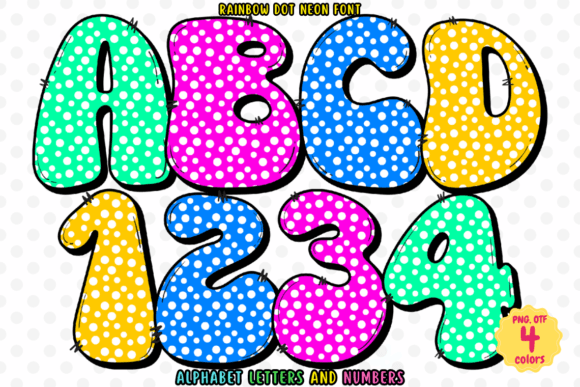
If you have ever scrolled through social media and stopped dead in your tracks because of a design that felt like it was practically glowing off the screen, you understand the power of high-impact typography. We are moving away from the era where "professional" meant "boring." Today, particularly for brands trying to connect with younger demographics or creative markets, personality is currency. Enter the Rainbow Dot Neon typeface, a visual solution that bridges the gap between retro nostalgia and modern digital pop. This isn't just another novelty font; it is a specialized tool designed for high-energy communication. With its distinctive dotted pattern mimicking the look of LED signage or party lights, it offers a texture and depth that flat, standard vector fonts simply cannot achieve.
For designers, entrepreneurs, and content creators, the challenge is often finding assets that feel unique without requiring hours of custom illustration. Rainbow Dot Neon solves this by offering a "pre-decorated" typographic style. The blend of neon hues arranged in that playful dotted structure instantly conveys a mood of fun, celebration, and modernity. However, because it is such a strong visual statement, it requires a bit of strategy to use effectively. You don't want to overwhelm your audience, but you definitely want to capture their attention. Understanding how to deploy this premium font across different mediums—from digital screens to printed merchandise—is the key to unlocking its full potential for your creative projects.
Understanding the Visual Mechanics of a Color Font
Before integrating Rainbow Dot Neon into your workflow, it is crucial to understand what you are working with. This is a color font, specifically utilizing the Opentype-SVG format. Unlike a standard sans serif font or serif font, which are essentially single-color vector outlines that you manually color in Photoshop or Illustrator, an SVG font contains the actual image data within the font file itself. Think of each letter as a tiny, self-contained illustration rather than just a shape.
This technology allows for gradients, textures, and multi-color effects that were previously impossible to achieve with a single keystroke. The visual appeal of Rainbow Dot Neon lies in this complexity. The "neon" effect often implies a glow or a light source, and the "dot" texture adds a halftone or beaded aesthetic. This combination creates a sense of movement and energy. When you type, you aren't just creating text; you are placing a string of tiny, colorful light bulbs on your canvas. This makes it an incredibly effective display font, perfect for headlines where you want maximum visual impact with minimum effort.
Practical Applications: Where This Typeface Shines
The versatility of a creative font like this lies in its ability to adapt to different contexts, provided you respect the medium. Because of its intricate detailing, it is generally best suited for larger sizes where the dot pattern can be appreciated, rather than small body copy. Here is how different professionals can leverage this style:
- Logo Design and Brand Identity: If you are building a brand for a toy store, a retro arcade, a children’s party service, or a modern streetwear label, this font sets an immediate tone. It tells the customer that the brand is approachable, fun, and visually aware.
- Social Media Graphics: On platforms like Instagram or TikTok, attention spans are short. A Rainbow Dot Neon headline on a story or a static post acts as a thumb-stopper. It mimics the aesthetic of popular "vaporwave" or "Y2K" design trends that are currently seeing a massive resurgence.
- Packaging Design: For products targeting a younger audience—think candy, slime, stickers, or tech accessories—this font style can make the packaging pop on the shelf. It creates a tactile, "touchable" feeling even on a flat surface.
- Event Invitations and Print Materials: Birthday parties, bachelorette weekends, or music festivals often rely on a sense of excitement. Using this typeface for the main event title on a flyer or invitation immediately communicates the vibe of the gathering.
Technical Considerations and Workflow Tips
While the aesthetic is playful, the technical implementation requires attention to detail. As noted, this is an Opentype-SVG file. This format is supported by most modern versions of PhotoShop, Illustrator, and Inkscape. However, it is vital to note the compatibility limitations. If you are using Silhouette for cutting machines, you are generally safe, but if you rely on Cricut machines, standard OTF or TTF versions of color fonts often do not render the colors correctly, appearing as black blocks instead of the intended rainbow pattern. Always check your software version before purchasing to ensure a smooth design process.
When working with Rainbow Dot Neon, treat it as an image asset as much as a text asset. Because the file size of SVG fonts can be larger than standard vectors, you may notice a slight lag if you use it for massive blocks of text (which you shouldn't be doing anyway). It is best used for short, punchy statements. Furthermore, consider the font pairing. Because this typeface is so loud and detailed, it demands a quiet partner. Pairing it with a clean, geometric sans serif font for your body text ensures that your message remains readable. If you pair it with another ornate script font or handwritten font, the result will likely be visual chaos.
Maximizing Brand Recognition and Engagement
From a marketing perspective, typography is one of the quickest ways to build a visual identity. Consistency is key, but so is distinctiveness. By incorporating a unique asset like Rainbow Dot Neon into your marketing assets, you create a visual hook that audiences can associate with your brand. If you are a content creator releasing digital products—such as planners, worksheets, or social media templates—using this font for headers or cover pages adds perceived value. It signals that your product is modern, stylish, and worth the investment.
Moreover, this style of modern typography taps into the psychology of color. Bright, saturated colors are known to stimulate energy and happiness. By using a font that inherently carries these colors, you transfer those feelings to your content. Whether you are designing a header for a blog post about summer trends or creating a sticker design for an Etsy shop, the Rainbow Dot Neon aesthetic helps bridge the gap between text and art, ensuring your designs don't just communicate a message, but also evoke a specific, memorable emotion.