Fishing Lesson: A Creative Font That Brings Your Designs to Life
There’s a certain charm to designs that feel handcrafted, personal, and full of story. If you’ve ever struggled to find a typeface that captures a playful, outdoorsy, or artisanal spirit without looking generic, the search can be frustrating. Enter a creative solution that’s less about rigid letterforms and more about injecting personality: a unique SVG font that weaves the imagery of fishing directly into its characters.
More Than Just Letters, It’s a Visual Story
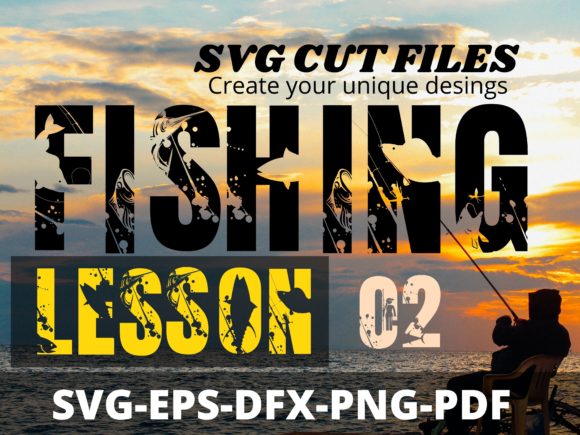
This isn't your standard serif or sans serif. It’s a color font, built using OpenType-SVG technology, which means each letter, number, and symbol is a tiny, detailed illustration. Imagine a capital ‘F’ formed from a fishing rod, an ‘O’ that’s a lifebuoy, or a ‘K’ featuring a hooked lure. The letters are bold and distinctive, designed to be a centerpiece rather than just supporting text. This approach makes it a standout display font, ideal for headlines, logos, and projects where you want the typography itself to communicate a specific theme or mood.
For designers and creators, this solves a common problem: how to achieve a cohesive, themed look quickly. Instead of spending hours searching for and incorporating separate fishing graphics, the theme is built right into the alphabet. This ensures visual consistency across all your letters, whether you’re spelling out a brand name, a headline for a blog post, or a quote for a poster.
Where This Creative Font Truly Shines
The applications for a font with this much built-in character are surprisingly diverse. Its bold, illustrative nature makes it perfect for projects where you want to grab attention and convey a specific vibe.
Think about brand identity and logo design for businesses that want to evoke a sense of adventure, craftsmanship, or coastal living. A fishing charter, a local bait and tackle shop, a seafood restaurant, or even a brand selling outdoor apparel could use this font to instantly communicate their niche. The unique letterforms make logos memorable and highly recognizable, boosting brand recognition.
In packaging design, it can help a product stand out on a shelf. Labels for artisanal sauces, craft beer, or specialty foods with a maritime or rustic theme would benefit from its distinctive look. For social media graphics and web design, it’s a powerful tool for creating eye-catching headers, promotional banners, or featured images that stop the scroll. It translates well to merchandise like t-shirts, mugs, and tote bags, where the design needs to be impactful from a distance.
Don’t overlook its potential in print materials and editorial design. It can add a playful touch to event invitations (think fishing tournaments or summer parties), scrapbook layouts, children’s book titles, or magazine feature headlines. The key is using it strategically—as a headline or accent font—where its details can be fully appreciated.
Practical Advice for Using a Bold, Themed Typeface
Working with a font as distinctive as this requires a thoughtful approach to ensure your designs are both beautiful and functional. Here’s how to get the most out of it.
Prioritize Readability. Because the letters are illustrative, they are best suited for short bursts of text—headlines, logos, single words, or very short phrases. Using it for long paragraphs would likely hinder readability. Always test your text at the intended size and from a typical viewing distance to ensure the message is clear.
Master the Font Pairing. The real magic happens when you pair this creative display font with a clean, simple companion. A classic sans serif font or a neutral serif font makes an excellent partner. Use the themed font for your main headline or logo, and pair it with the simpler typeface for subheadings, body text, or supporting information. This creates a professional hierarchy and ensures your design is easy to navigate. Avoid pairing it with other overly decorative or script fonts, which can create visual chaos.
Check Compatibility and File Types. This is a crucial technical step. As an OpenType-SVG color font, its compatibility is specific. It works seamlessly in professional design software like Adobe Photoshop, Adobe Illustrator, and Silhouette Studio, as well as the free vector editor Inkscape. It’s important to note that the standard OTF and TTF files are not compatible with Cricut Design Space. If you are a crafter using a Cricut machine, you would need to use the font in a compatible program like Silhouette Studio or Inkscape to create your design, and then potentially use a workaround to import it. Always verify your software supports color fonts before purchasing.
Understand Commercial Use. If you plan to use this font for client work or on products you sell, you must review the licensing. Most premium fonts come with specific commercial licenses that outline what is and isn’t permitted. Checking the included license agreement or the vendor’s website is a non-negotiable step for any professional or entrepreneurial use to ensure you’re fully compliant.
Integrating a Theme into Your Design Toolkit
A font like this is more than a novelty; it’s a specialized design asset. It’s for the designer who knows their project’s story and wants the typography to tell it. It’s for the small business owner looking to carve out a unique visual identity in a crowded market. It’s for the content creator who wants to add a layer of personality to their digital presence.
When selecting any creative font, ask yourself: Does its personality align with my project’s goals? Does it enhance the message or distract from it? In the case of a thematically rich typeface, the answer is a clear yes if your project lives in the world of outdoors, adventure, craftsmanship, or playful storytelling. Used wisely, it can transform a simple design into something memorable and engaging, proving that sometimes, the best way to communicate is to show, not just tell.