Retro Radio: The Display Font with a Vintage Soul
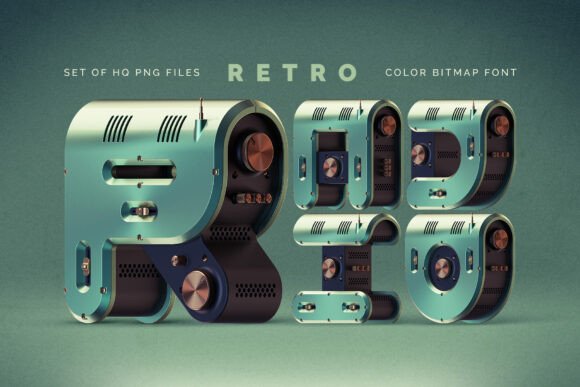
There's an undeniable charm to the physical objects of the mid-20th century. The satisfying click of a dial, the warm glow of a vacuum tube, the sturdy feel of brushed metal and Bakelite. This tactile nostalgia is what makes vintage technology so captivating. Now, imagine capturing that exact feeling in your typography. Introducing the Retro Radio color bitmap font, a 3D-rendered typeface that doesn't just mimic the aesthetic of classic radios and amplifiers—it embodies it. Each letter is a miniature tribute to an era of craftsmanship, featuring intricate details like metallic bolts, textured knobs, and realistic faders. This isn't just another retro font; it's a design asset that brings a piece of analog history directly into your digital projects.
More Than Letters: A Texture and Tone for Your Brand
When we talk about a premium font, we're often referring to its versatility and quality. Retro Radio excels in a specific, powerful niche: creating an immediate and unmistakable mood. As a display font, its strength lies in headlines, logos, and short, impactful text where its detailed 3D rendering can truly shine. The metallic sheen and industrial details provide a built-in texture that would otherwise require extensive Photoshop work. For designers, this translates to a significant time-saver. Instead of building a vintage effect from scratch, you have a ready-made typeface that delivers consistent, high-impact visuals across every character.
This level of detail makes it a perfect creative font for projects that need to convey reliability, craftsmanship, or a cool, nostalgic vibe. Think about a craft brewery wanting a label that feels handcrafted and authentic, or a tech startup specializing in audio equipment looking for a logo design that screams "quality sound." The font does the heavy lifting, communicating brand values before a customer even reads the word. Its personality is baked right in, offering a shortcut to powerful brand identity.
From Social Media to Storefronts: Practical Applications
The true test of any design asset is its real-world utility. Retro Radio's unique aesthetic opens up a world of possibilities across both digital and physical media. Its bold, textured nature ensures it stands out in crowded visual spaces, making it ideal for social media graphics where grabbing attention is paramount. Imagine an Instagram story announcing a new product drop or a Facebook banner for a vintage market—the font instantly sets the right tone.
For small business owners and entrepreneurs, this commercial font can become a cornerstone of your visual language. Consider these applications:
- Packaging Design: Use it on product labels for artisanal goods, electronics, or gourmet foods to evoke a sense of heritage and quality.
- Posters & Invitations: Create standout event posters for music festivals, retro-themed parties, or gallery openings. The font itself becomes a central design element.
- Merchandise: Apply it to t-shirts, mugs, and stickers. Its detailed, graphic quality translates exceptionally well to printed goods.
- Websites & Blogs: Employ it for hero section headlines or blog post titles to inject personality and break the monotony of standard sans serif or serif fonts.
- Editorial Layouts: Use it for pull quotes or chapter titles in magazines or digital publications to add a layer of visual interest.
Because it's an OpenType-SVG color font, it installs and functions just like a regular .OTF file. This seamless integration means you can use it in most modern design software, from Adobe Creative Suite to Affinity Designer, without complicated workflows. The included high-resolution PNGs (averaging 12 megapixels) offer even more flexibility, allowing you to use the letterforms as individual graphic elements in your compositions.
Pairing and Professionalism: Using Retro Radio Wisely
A font with this much character requires thoughtful implementation. The key to using Retro Radio effectively is balance. Its high level of detail and strong personality means it’s not suited for long paragraphs of body text. Instead, pair it with a clean, neutral sans serif font or a simple serif font for readability. For example, a bold Retro Radio headline paired with a font like Montserrat or Lora for body copy creates a dynamic and professional hierarchy that guides the reader's eye.
Before finalizing your design, always test your font pairing. Does the combination feel harmonious or chaotic? Does the display font overwhelm the supporting text, or do they work together? Also, take a moment to review the included character screenshot. Since Retro Radio supports English and basic punctuation, it's crucial to ensure it has all the characters you need for your specific project, especially for logo design where every letter counts.
From a branding perspective, consistency is king. Using a unique display font like Retro Radio for all your key touchpoints—website headers, social media profiles, and print materials—can dramatically improve brand recognition. It becomes a visual signature that your audience learns to associate with your business. This consistent visual communication professionalizes your presentation and builds trust. Just be mindful of licensing; always confirm the font's license covers your intended commercial use, whether for client work, merchandise, or digital products.
A Final Thought on Crafting with Character
In a landscape saturated with minimalist modern typography, choosing a font with such a distinct, tactile personality is a deliberate creative choice. Retro Radio isn't just about looking retro; it's about feeling authentic. It’s for the designer who wants to tell a story, the entrepreneur building a brand with soul, and the creator who appreciates the beauty in mechanical details. It’s a tool that helps you move beyond generic layouts and create work that resonates on a deeper, more nostalgic level. When your project calls for a voice that’s warm, bold, and unmistakably vintage, this typeface answers the call.